Five albums to get into: drone metal

Drone metal is a genre that combines noise rock, experimental music and minimalism to create repetitive, droning and hypnotic listening experiences. It is not unusual for a drone song to range somewhere between 15 and 30 minutes in listening time. Drone songs usually only consist of a few chords or riffs looped over and over using loop pedals and reverb effects. While most drone metal is instrumental, some bands make use of sampling to add a layer of dynamism to the music. The music is so simplistic that a lay listener would likely find it boring or repetitive to the point of causing insanity. But those familiar with genres like doom metal, noise rock and experimental rock will find value in bands like Earth, Boris and Sunn 0))), who have successfully been able to merge experimental rock with heavy metal, and push both genres as far as they can go in the direction of slowness and repetition. Four of the five bands on this list are from Washington State, so that tells you what you need to know about the origins of this style of music. But the fifth on this list is from Tokyo, demonstrating the wide appeal of this very strange style of music.

White1 – Sunn 0))), 2003

No band other than Earth is considered as important to the drone metal genre as Sunn 0))), a weird but somehow excessively popular band from Seattle. While albums like Monoliths & Dimensions are considered their most classic, 2003’s White1 is a dynamic and boundary pushing piece of music. “My Wall” opens the album with a dark spoken word passage over a heavy bass riff and clean guitar embellishments. The spoken word passage always reminds me of Lucky’s stream-of-consciousness speech in “Waiting for Godot” and similarly brings about a feeling of existential confusion and anxiety. Oh, and it is 26 minutes long. The next song, “The Gates of Ballard,” features repeated guitar riffs underneath Norwegian chanting that surprisingly works well in a metal context. Also unconventional to drone metal, this song employs synthetic drums as opposed to a real drum kit, giving the song the feel of music projects like Godflesh, Blut As Nord and Jesu. Despite the album name and cover, this is a dark and dreadful drone release.

Key Tracks: My Wall, The Gates of Ballard, Cut Wooded

Lysol – Melvins, 1992

Melvins are the band on this list most likely to be known already by listeners. But unlike grunge-esque albums like Houdini, Lysol is a much slower, darker, and noiser album. Harmonics and guitar feedback can be heard over the looping bass riff and slamming snare on the song “Sacrifice,” paving the way for King Buzzo’s quasi-operatic vocal delivery. Dale Crover’s drumming on Lysol, particularly on the opener “Hung Bunny,” is about as good as drumming can get in the drone, doom, and sludge corner of metal music. In classic drone fashion, the 10-minute song is based around two or three reverb-drenched down-tuned chords. While this is not the first Melvins album I would recommend someone, it is one of their best releases and should not be overlooked or lost in the band’s expansive catalog. It is incredible that this album was recorded with the three-piece of Buzzo, Crover and Joe Preston. The three of them together are able to capture the loudness and intensity that other experimental bands aren’t able to capture with 8 or 9 members. And apparently, the band record Lysol in less than a week.

Key Tracks: Hung Bunny, Sacrifice

Earth 2 – Earth, 1992

Formed in Olympia, WA in 1989 and led by frontman Dylan Carlson, Earth is widely considered the first and most influential drone metal band. Earth’s debut Earth 2: Special Low Frequency Version is considered seminal in the genre, and when you listen to it you will understand why. The album runs 73 minutes in length and consists of only three tracks. The closer “Like Gold And Faceted” runs 30 minutes in length and consists a single guitar chord played over a loop pedal. It is also the only song on the album to feature any drumming — although the drums are distant and hardly audible. The repetitiveness of “Seven Angels” is hypnotic and would put you to sleep if it weren’t so loud. That’s the other thing that needs to be mentioned about this album: its loudness. The guitars and bass are maxed out on this album and the sound is overwhelming. Definitely bring ear plugs to an Earth show.     

Key Tracks: Seven Angels, Like Gold and Faceted

Flood – Boris, 2000

While many drone bands are accused of being unoriginal or formulaic, no such criticisms can be thrown at Boris. The Japanese band has put out landmark releases in experimental rock, noise rock, stoner rock. My favorite is their landmark drone release Flood. “Flood I” opens with a somewhat atonal guitar lick played with a loop pedal with delay slowly added. Eventually, the lick layers over itself and and creates meta-licks and riffs that can be heard as the 14-minute song drags on. Large explosion sounds can be heard near the end of the song, which eventually fades into the jazzy and more melodic “Flood II,” demonstrating how Boris so flawlessly mix progressive and minimalist sounds. The heaviness of the album picks up on “Flood III,” where distortion, bass and crash cymbals take over music. This album takes a while to grow on you and is probably not something you will like on the first listen. A YouTube commenter named TheWulgus summed it up nicely: “[Flood] Wins an award for ‘best album you can never show your normie friends.’” Nonetheless, this album is a must-listen for any fan of minimalist or experimental music.  

Key Tracks: Part I, Part II, Part III

Longing – Bell Witch, 2012

Longing, and everything else in Bell Witch’s catalog, is depressing and melancholic. This is a sad, sad album and a truly cathartic listen. Unlike other drone releases, this album features death doom-style growls and screams, as showcased on the opening “Bails (Of Flesh).” The song breaks down around the 8-minute part and showcases a slow, sad and memorable guitar melody. The song is powerful and convincingly reflects feelings of loneliness and hopelessness. The next song, “Rows (Of Endless Waves),” features terrifying backing vocals/shrieks that seem to have black metal influence in them. The album ends with a soft outro that is similar to the main riff in the opening song, which is also heard on the middle track “Beneath the Mask.” I would describe this album as either the greatest thing or worst thing for a person going through depression, depending on their personality and music interest.

Key Tracks: Bails (Of Flesh), Rows (Of Endless Waves), Outro

Five albums to get into: alternative rnb

Alternative rnb is a term used to describe music and artists that don’t fit into the typical mold of contemporary rnb. The first artists to be described as being “alternative rnb” were D’Angelo, Erykah Badu, and Maxwell  Much of the subject matter of love and sex remain the same between contemporary and alternative rnb, but other topics like spirituality and personal philosophies can be found more often within this broad genre. In my opinion, this brings an added element of introspection and vulnerability that makes the music more relatable. The stylistic fusions of rnb, electronic, rock, blues and more can be found. Artists like Miguel and Frank Ocean later popularized the genre and brought it more to the mainstream with albums like All I Want Is You and Channel Orange. The artists within the classification of alternative rnb all have unique and varied sounds and I’m sure they would appreciate it if you listened to them without preconceived ideas to what they should sound like. Genre labels can make artists feel like their work has been put in a box, but for those discussing their work it helps us by giving us a term to loosely group together music. In this article I will discuss five albums released in the 2010s that I loved and think deserve more attention.

Hive Mind – The Internet, 2018

Lush and authentic are two words that come to mind when describing The Internet’s fourth studio record, Hive Mind. When listening, I get the feeling of a warm, summer night. Groovy bass lines provided by Patrick Paige, soothing guitar chords from Steve Lacy, and a variety of emotions on display by The Internet’s lead vocalist, Syd are found on this album. Syd tells stories of intimacy and overcoming hardship over lush soundscapes of funk, jazz, and hip hop. In an interview discussed here Syd mentions how she would rather put her emotions on display than inject politics into the groups music and touches on the fact that she wants the music to be healing and be able to resonate with a multitude on people. She achieves this goal by being vulnerable and honest. The whole group sounds as cohesive as ever on this record. To me, there is a steady influx of pleasing, smooth music here. Give it a shot.

Key Tracks: Come Over, La Di Da, Next Time / Humble Pie, Wanna Be, It Gets Better (With Time), Look What U Started

Malibu – Anderson .Paak, 2016

Image result for malibu anderson

With touches of the laid-back, cooler than cool Outkast and the soulful melodies of Stevie Wonder, Anderson .Paak creates something truly unique on this record. There is a certain ‘free spiritedness’ that has a distinct west coast feel and can be heard throughout the album. Compared to his previous record, Venice, Malibu has a funkier and more soulful feel that relies on the use of smooth guitar and catchy bass rather than the electronic and trap influences found in Venice. In my opinion, there is a better sense of direction and connectedness between the songs found here. There is something for everyone on this record, you’ll find the classic, seductive serenades that allude to his rnb predecessors on “Heart Don’t Stand a Chance”and “Room in Here”. Tales of personal struggle on “The Season / Carry Me”and “Put Me Thru”. A modern, hip hop anthem on “Come Down” and the album closes with the stretch of “Silicon Valley”, “Celebrate”, and “The Dreamer” which are lighthearted and hopeful. Honestly there isn’t a bad song on the whole album and I couldn’t recommend this one enough. There are a variety of moods on display that make this album playable in just about any context.

Key Tracks: Every Track

Overgrown – James Blake, 2013


James Blake comes from a future-garage, electronic oriented musical background and the Londoner takes these musical influences and paints a somber picture with his record, Overgrown. A fairly textural album with bedroom rnb and gospel elements sprinkled throughout. Anyone looking for a well-done medley of heady, electronic music with soft piano and an almost classical vocal style should stop and listen. Full of bittersweet melancholy, these songs make for excellent winter and rainy-day listening. Some signature James Blake tracks on this album are Life Round Here, which feature winding synth melodies and Retrograde, a minimalist track with James Blake’s beautiful humming on a loop. As far as rnb goes I would say this albums lyrical content isn’t completely straightforward. This is a good or bad thing depending on your tastes, it allows you to dig and interpret things as you like, but some people would rather not take the time.

Key Tracks: Life Round Here, Retrograde, Take A Fall For Me


99.9% – KAYTRANADA, 2016


Kaytranada, or Louis Kevin Celestin, is one half of the hip hop duo, The Celestics and is the brain behind this record. In my opinion, this album focuses on rhythm and percussion the most out of all the albums on this list. All but three tracks are solely produced by Kaytranada and this allows you to really get to know his style. Colorful, electronic, and funky are the elements that stood out to me. There are a wide variety of drum and synth sounds to keep you interested and Kaytranada brings in a slew of feature artists including Vic Mensa, Little Dragon, Anderson .Paak, and Syd to add their flavor to the songs. Two of those artists are also featured on this list. You may not love every part of this album, but I’m confident you will find something you enjoy.

Key Tracks: Got It Good, Weight Off, Glowed Up


Negro Swan –  Blood Orange, 2018

Dev Hynes the one man wonder behind Blood Orange wrote and produced his fourth studio album, Negro Swan all on his own. The content of the album comes from a place of introspection and observation. Hynes described it as, “an exploration into my own and many types of black depression, an honest look at the corners of black existence, and the ongoing anxieties of queer/people of color. A reach back into childhood and modern traumas, and the things we do to get through it all. The underlying thread through each piece on the album is the idea of hope, and the lights we can try to turn on within ourselves with a hopefully positive outcome of helping others out of their darkness.”

Mr. Hynes comes into his own on this record and you can feel the added emotional weight compared to his previous works. The funkier elements of his older sound are found less frequently on these songs. There is more experimentation here, as shown by the combination of spoken word passages and what sounds like to me, a ‘pieced together’ approach to his album construction. You will find jazzy elements and plenty of melancholic guitar all over the place. It’s thoughtful and beautiful. Let this album take you on a journey of what it feels like to be misunderstood and finding the inner strength to carry on.

Key Tracks: Hope, Charcoal Baby, Nappy Wonder, Runnin’, Smoke

Three albums to get into: heavier music

Below, are three albums I was exposed to when I began my journey through heavy music. There are plenty of characteristics to heavy music, but generally, I would describe it as music that is dense, that lacks ‘breathing room’. People have their reservations about different types of music, myself included, but I wanted to break out of my comfort zone and listen to new genres. How many times have you heard someone say they like all types of music, but only listen to Drake, Cardi B, Post Malone, and Ariana Grande? This isn’t to criticize those artists, but to point out that there is a vast ocean of music available and many people are only swimming a few feet, leaving much to be explored. For me, this journey has been rewarding. I haven’t immediately fell in love with everything I have heard, but I feel like I can connect with music in a wholly different way and that’s what is exciting. Between the three albums discussed below, I believe you will find something new and enjoyable.

Welcome To Sky Valley – Kyuss, 1994

Released in 1994, but not fully appreciated at the time. Kyuss didn’t belong in any conventional metal genre, nor were they akin to their grunge and punk peers of the time. They were a major component of the emerging stoner rock scene in the early 90s. Bringing plenty of heavy riffing and psychedelic grooviness. The down tuned guitars have a spongy, distorted sound and rumor has it, Josh Homme, the guitarist and brains behind most of this record, would play his guitar through a bass cab to get his signature sound. For my guitarists out there, the key to this tone is setting your tone knob very low and using the neck pickup.

This is the quintessential stoner rock album. Loaded with personality and music that reflects the area from which it came, the deserts of Southern California. Kyuss is able to evoke images of blazing down the highway in a muscle car then make you feel like you’re in a smoke filled basement. I never knew I needed to feel those feelings until I heard this album. I highly recommend this one, it might be a refreshing change of pace especially compared to more conventional rock and metal.

Key Tracks: Gardenia, Supa Scoopa and the Mighty Scoop, Space Cadet, Demon Cleaner, Whitewater

Sunbather – Deafheaven, 2013

Image result for sunbather

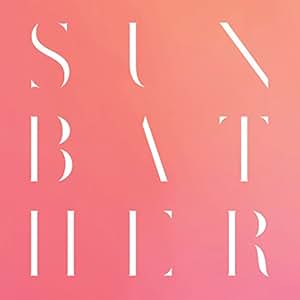
Long evolving tracks with soft, dreamy passages and thundering blast blast beats with a few ambient interludes intermixed. Sunbather contains triumphant crescendos of post-rock juxtaposed with dreamy, wall of sound, shoegaziness. There is also black metal influence all over the album, showcased by high gain, tremolo picked guitars, but unlike most black metal there is an unmistakable warm feeling throughout this record and the album art reflects that. Deafheaven showcases a culmination of a few distinct genres, mainly, shoegaze, post-rock and black metal. If you can stand the reverb soaked screams of frontman George Clarke you are in for a delight (and the vocals will grow on you, they are filled with emotion and fit the music). This album is constructed starting with a song followed by a shorter interlude that supports the flow of the album. What I love so much about this album are the transitions from dreamy and light to heavy and powerful. The last half of the song The Pecan Tree is a shining example of that transition and is what grasped my attention and started my fandom of this group.

Key Tracks: Dream House, Irresistible, Sunbather, Vertigo, The Pecan Tree

ISIS – Panopticon, 2004

Image result for isis panopticon

Amazing atmospheres with each and every song on Panopticon. Post-metal giants, Isis, are able to put you in a hypnotic trance that will build up til it breaks then crush you with waves of immaculate distortion. The sound of this album is truly massive and the music feels like it may be coming from the bottom of the ocean. If you are looking for guitar solos or singalongs this album may not be for you, but if you think you’ll enjoy songs that evolve and if given attention, are intensely emotional and engaging, please listen. This is more accessible compared to Isis’ early work and is a wonderful place to start. Personally, I haven’t made myself very familiar with the lyrics or themes of this album, but I know the idea of the title comes from the utilitarian, Jeremy Bentham. His vision of a panopticon is a form of prison with a central tower that overlooks each of the windowless prison cells. Later on, philosopher Michel Foucalt would take this panopticon idea and relate it to hierarchical structures found in education and military systems. Isis frontman, Aaron Turner takes these complex themes of an unseen, central power and crafts a record where the music feels larger than life.

Key Tracks: So Did We, Backlit, In Fiction, Wills Dissolve, Grinning Mouths


Five albums to get into: dungeon synth

Dungeon synth, or dark ambient, is a subgenre of black metal that breaks away from the genre’s abrasive nature. Somewhat ironically, dungeon synth is a very easy genre to listen to. It is characterized by minimalist song structure and production, use of simple synthesizer or flute melodies, and long, atmospheric passages. Dungeon synth songs are meditative and typically do not feature vocals. Almost exclusively, dungeon synth is made by one-person projects. The genre is heavily influenced by fantasy, folklore and escapism, which can usually be seen in the album artwork and song titles. This genre will help you write papers and get through depression.

Filosofem – Burzum, 1996

Burzum is the most influential dungeon synth band and one of the most influential bands in all of black metal. On Filosofem, Burzum builds on the style of synth-laden atmospheric black metal perfected on Hvis lyset tar oss by moving towards a more ambient and low-fi sound. The eery clank and drip sounds on “Gebrechlichkeit II” help give the song a dungeon atmosphere that gives insight into the genre’s name. The real ambient stand-out on this album is the 25-minute “Rundgang um die transzendentale Säule der,” which is so trance-inducing that it might as well be used in yoga routines. “Dunkelheit” is a great synthesis of early Norwegian black metal and dungeon synth. “Tomhet” is not on Filosofem but should be recommended because it is probably the greatest ambient song of all time.

Key Tracks: Dunkelheit, Jesus’ Tod, Rundgang um die transzendentale Säule der, Gebrechlichkeit II

Wonder – Lustre, 2013

 While early black metal bands like Burzum, Darkspace and Abruptum used dungeon synth as an element of their sound, one-man project Lustre indulge in it entirely. The production and synthesizer tones on this album mimic those of Burzum’s “Tomhet” and work well with the minimalistic and rudimentary songwriting that appears on this album. Some songs, like “Moonlit Meadow,” feature very buried vocal performances that gives the instruments a more massive feeling. The song “Petrichor” is a highlight  on the album for being simple yet subtle enough to remain interesting. This is one of the most accessible albums in any black metal subgenre.

Key Tracks: Petrichor, Moonlit Meadow

Serenity – Lustre, 2008

Lustre has two slots on this list because they are such an essential dungeon synth band. Serenity is more abrasive than Wonder, blending in industrial and noise music. The first half of the 13-minute opening track “The Light of Eternity” features an underlying droning/drilling noise that sounds like it could be on a Swans or Godflesh album. It works really nicely underneath the repetitive synth melody, which evolves and layers over itself as the track goes on. The vocals are more audible than on Wonder and sound much more like traditional black metal vocals. “Waves of the Worn” is a more ambient track that sounds a lot like Blut As Nord’s ambient work, such as the song “Rigsthula.”

Key Track: The Light of Eternity

Hadanfarden – Eitr, 2018

While there are songs on this album, such as the opening “Drommarna,” that sound like they came from an 8-bit video game, there are other songs that feel dreamy and transcendental. One such track is the closer, “Aterkomsten,” which features a jumpy harmonized melody and a variety of synth and string sounds. There is basically no black metal on the entire record, but the music is still very much in the style of Burzum LPs like Hvis lyset tar oss and Daudi Baldrs. The entire album maintains a medieval and fantasy feeling and aesthetic. The production is much higher than other albums in this genre.

Key Tracks: Aterkomsten, Elden, Loftet

Aktiv Dodshjalp – Essoupi, 1999

Aktiv Dodshjalp takes the relationship between dungeon synth and black metal a step further by adding a depressive black metal sound. The albums first half “Perhaps We Are Like the Stars” begins with a tortured shriek and an eerie sample, neither of which are typical on a dungeon synth record. Also untypical about this record is the use of drums and flutes, which add to the album’s forest atmosphere. Essoupi’s sound has few similarities to Lustre or EITR, but the influences from Burzum and Darkspace can be heard on Aktiv Dodshjalp.  

Key Track: Perhaps We Are Like the Stars …

Five albums to get into: sludge metal

Sludge metal is a slow, riff-focused subgenre of metal that mainly originates from the swamps of Louisiana but that also has origins in San Francisco (Neurosis) and Washington State (Melvins). Sludge metal deviates from doom metal, another slow subgenre, in that it is much angrier and dirtier: no clean vocals, no campy castle-and-dungeon imagery. Much of the sludge metal ethos is borrowed from hardcore punk, which explains how bands like ISIS and Neurosis are able to blend the two genres so seamlessly. Bands like Mastodon and Baroness blend progressive metal into their sludge sound. Think of sludge metal as a less commercial version of groove metal, or nu metal without the hip-hop and funk influences.

Take As Needed For Pain – Eyehategod, 1993

Both the music and cover art of Take As Needed For Pain capture the aesthetic of sludge metal perfectly. Grit, ugliness, pain, discomfort, pain and drugs. The grooviness borderlining catchiness that New Orleans’ Eyehategod capture on this album is best demonstrated in the bass intro and guitar riffs of the track “Sister Fucker (Pt. I).” Listen to this song and you’ll understand what Eyehategod is about: slow, thudding, rudimentary, melody-deprived music. But it is the vocals that make Eyehategod stand out. Mike Williams’ seriously sounds like he is going through heroin withdrawal and dry heaving with each grotesque throat-originating scream. I challenge you to find a dirtier album (other than Pissgrave’s Suicide Euphoria). Be sure to check out Dopesick as well.

Key Tracks: Sister Fucker (Pt. I), Blank, Kill Your Boss

Heathen – Thou, 2014

In terms of complexity, song structure and production, Heathen deviates dramatically from Take As Needed For Pain and other albums from the Louisiana sludge scene. The 14-minute opening track “Free Will” starts with a clean guitar riff and slowly builds into an overwhelming sea of sound. Derek Zimmer’s vocals are more shrieking and visceral than you would expect from a sludge band, highlighting Thou’s black metal and death metal influences. The other obvious influence is doom metal, as exemplified by the album’s lengthy tracks and slower feel. The album’s high productionadds to its ability to capture a listener and induce feelings of paralysis, anxiety and lethargy (why do I like this?).

Key Tracks: Free Will, Feral Faun

When the Kite String Pops – Acid Bath, 1994

One of the catchiest albums to ever come out of any metal subgenre. When the Kite String Pops is filled with breakdowns and particular moments that could be considered the best in metal. These “mosh moments” appear on songs like “What Color Is Death,” “Toubabo Koomi,” and “Dr. Seuss is Dead” and would be instantly appealing to any fan of thrash metal, death metal, metalcore or even classic/stadium rock. Then there are songs like “Screams of the Butterfly” that add moments of soberness to an otherwise chaotic album. The closing track “Cassie Eats Cockroaches” includes an excellent sample from A Clockwork Orange and some memorable drumming and riffing on the track’s latter half. The album art is a self-portrait of serial killer and molester John Wayne Gacy and is truly disturbing. It couldn’t match the music any more perfectly.

Key Tracks: Cassie Eats Cockroaches, Toubabo Koomi, Scream Of The Butterfly, Dr. Seuss Is Dead, Dope Fiend

(A) Senile Animal – (The) Melvins, 2006

Melvins have experimented and set ground in grunge, stoner metal, drone and experimental rock. But 2006’s (A) Senile Animal has the slowest, muddiest feel of any of Melvins’ previous releases. Also unlike other sludge releases on this list, the album’s emphasis is on the drums as opposed to the guitars. Dale Crover’s drumming is dense and feels like it’s being played at the bottom of the ocean, such as on the song “A History of Bad Men.” This album, like the rest of the Melvins discography, is weird and unconventional is a way that music in the genre rarely is. The band’s personality and strangeness make Melvins one of the most refreshing groups in sludge metal, and rock music in general. 

Key Tracks: A History of Bad Men, Civilized Worm, The Talking Horse

Crowbar – Crowbar, 1993

Crowbar’s weakness is also their strength. The New Orleans-based band’s brand of riff-oriented sludge is simplistic and formulaic, but that is exactly what makes it work. Listen to “High Rate Extinction” and you will understand what I mean. The two-and-a-half minute song is based around a two down-tuned riffs, but both riffs are captivating. Lyrically and aesthetically, Crowbar’s brand of sludge is much more focused on agony, apathy and self-hatred than, say, the serial killer-obsessed Acid Bath or the drug and incest-focused Eyehategod. This realism makes the pain and despair of Crowbar’s self-titled album all the more believable. Still, it is the guitar riffs and tones that make Crowbar one of the best releases in the genre. 

Key Tracks: High Rate Extinction, All I Had (I Gave), Existence Is Punishment